
Government of Uttar Pradesh | Vindhyachal, Mirzapur

The Maa Vindhyavasini Temple at Vindhyachal, Mirzapur, is a fine example of traditional North Indian (Nagara style) temple architecture. Situated on the sacred banks of the River Ganga, the temple complex reflects centuries of spiritual devotion, regional craftsmanship, and the sacred geometry prescribed in ancient Hindu temple-building traditions (Vastu Shastra and Shilpa Shastra).
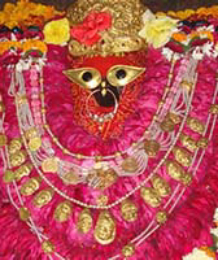
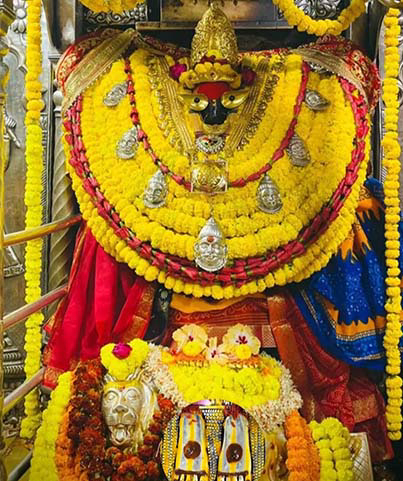
The innermost sanctum houses the principal deity idol, representing the spiritual heart of the temple where devotees offer prayers.
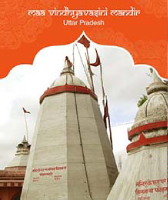
The towering shikhara above the sanctum symbolizes Mount Meru and the soul's ascent toward the divine realm.
The assembly hall allows devotees to gather for darshan, aarti, and collective worship before approaching the main shrine.
The garbhagriha is the most sacred space within the temple, where the idol of Maa Vindhyavasini is enshrined. In Shakta tradition, this chamber is considered the womb of the universe (garbha meaning womb, griha meaning house). The deity is adorned daily with flowers, garments, and jewelry during Shringar rituals. Only the priest and authorized persons enter this inner chamber during special pujas.
Rising above the garbhagriha, the shikhara is the most visible architectural feature of North Indian temples. Its curved or pyramidal form represents the cosmic mountain and draws the eye — and the devotee's mind — upward toward the heavens. The shikhara of Maa Vindhyavasini Temple is a landmark visible from various points in the Vindhyachal town.
The mandapa (pillared hall) serves as the transition zone between the outer temple precinct and the inner sanctum. Here devotees wait for darshan, participate in aarti, and receive prasad. During Navratri and other major festivals, these halls become vibrant centers of collective worship with thousands of pilgrims visiting daily.
Temple walls and pillars often feature carvings depicting scenes from the Devi Mahatmya, Ramayana, and local legends associated with Vindhyachal. Floral motifs, geometric patterns, and figurative sculptures reflect the skill of regional artisans. These artistic elements are not merely decorative — they serve as visual scriptures teaching devotion and dharma.
Devotees traditionally walk clockwise around the sanctum in a practice called pradakshina, offering prayers at each step. The temple's layout accommodates this sacred circumambulation, which is an integral part of Hindu worship at Shakti Peethas. The famous Trikona Parikrama of Vindhyachal connects this temple with Ashtabhuja and Kali Khoh temples in a triangular pilgrimage route.
The temple is built using locally available stone and traditional masonry techniques common to temples of the Gangetic plains. Over centuries, renovations and expansions have been carried out while preserving the core sanctity of the original shrine. The use of stone ensures durability against weather and the passage of time, while lime plaster and paint are used for periodic maintenance and festival decorations.
Hindu temple architecture follows Vastu Shastra guidelines — the temple is ideally oriented to harness positive cosmic energy. The placement of the main shrine, entrance gateways, water bodies (including proximity to the Ganga), and open courtyards are all considered in the overall design. The Ganga's presence nearby adds immense spiritual significance, as pilgrims often take a holy dip before temple darshan.
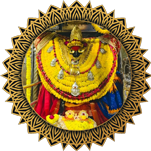
Unlike static monuments, the temple is a living structure that transforms during festivals. During Navratri, Chaitra Navratri, and Ashwin Navratri, the entire complex is decorated with marigold flowers, mango leaves, colorful fabrics, and oil lamps. Temporary pandals, lighting installations, and floral rangolis are added, making the architecture come alive with devotion and celebration.
Vindhyachal's sacred geography includes several architecturally significant temples that together form the Trikona Parikrama circuit: