

Government of Uttar Pradesh | Vindhyachal, Mirzapur

The worship of Maa Vindhyavasini at Vindhyachal follows centuries-old Shakta traditions passed down through generations of priests and devotees. Every ritual performed at the temple — from the morning Mangala Aarti to the elaborate Navratri celebrations — carries deep spiritual meaning and connects the devotee with the divine feminine energy of the Goddess.
Morning, afternoon, and evening aartis are performed with lamps, incense, and devotional hymns to honor the Goddess throughout the day.
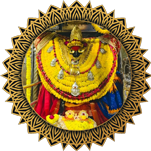
The deity is bathed (abhishek) and adorned (shringar) with flowers, garments, and jewelry as part of daily worship rituals.
Devotees circumambulate the sanctum clockwise, offering prayers at each step — a sacred tradition at all Shakti Peethas.
The temple follows a structured daily routine (nitya seva) that maintains the sanctity and spiritual rhythm of the shrine:
| Ritual | Description |
|---|---|
| Mangala Aarti | Early morning awakening of the Goddess with lamps, conch shells, and devotional songs. Marks the beginning of the temple day. |
| Abhishek | Sacred bathing of the deity with milk, honey, ghee, curd, sugar, and water (Panchamrit) while Vedic mantras are chanted. |
| Shringar | Adorning the Goddess with fresh flowers, silk garments, jewelry, and sindoor (vermillion) — a visual celebration of divine beauty. |
| Bhog & Naivedya | Offering of sanctified food (prasad) to the deity before it is distributed among devotees. |
| Sandhya Aarti | Evening aarti performed at dusk with lamps and hymns, creating a deeply devotional atmosphere. |
| Shayan Aarti | Final aarti of the day before the deity rests for the night, closing the temple's daily worship cycle. |
Navratri is the most significant festival at Vindhyachal, celebrated with extraordinary devotion during both Chaitra (spring) and Ashwin (autumn) Navratri. For nine consecutive nights, special pujas, Durga Saptashati path (recitation), havan (fire rituals), and cultural programs are organized. The temple is decorated with flowers and lights, and lakhs of devotees visit for darshan. Each day of Navratri is dedicated to a different form of the Goddess.
A unique tradition of Vindhyachal is the Trikona (triangular) Parikrama — a pilgrimage circuit connecting three sacred temples: Maa Vindhyavasini, Ashtabhuja Devi, and Kali Khoh. Completing this parikrama on foot is considered highly auspicious and is believed to fulfill the devotee's wishes. Many pilgrims undertake this journey during Navratri and other holy occasions.
Chaitra Navratri (March–April) marks the beginning of the Hindu New Year and spring season, while Ashwin Navratri (September–October) culminates in Vijayadashami (Dussehra). Both periods see intensified rituals, extended temple hours, and massive gatherings of devotees from across India.
Devotees can participate in or sponsor various special rituals at the temple:
A cherished tradition is taking a holy dip in the River Ganga before visiting the temple. The Ganga flows near Vindhyachal, and pilgrims believe that purifying oneself in her waters enhances the spiritual merit of darshan.
Devotees, especially women, offer red chunri (veil), sindoor, bangles, and red cloth to Maa Vindhyavasini — symbols of marital bliss and devotion in Shakta worship. It is believed that the Goddess blesses devotees with prosperity and protection.
Lighting oil lamps (diyas) and incense sticks (agarbatti) is a universal tradition. Devotees light lamps at designated areas in the temple complex, symbolizing the removal of darkness and ignorance from one's life.
After darshan, devotees receive prasad (sanctified food offering) and charanamrit (sacred water from the deity's feet). Accepting prasad with reverence is considered receiving the Goddess's direct blessings.
Temple rituals are conducted by hereditary or trained priests who have studied Vedic scriptures, Agama texts, and temple protocols. The pujari tradition ensures that rituals are performed with correct pronunciation of mantras, proper sequence of offerings, and adherence to muhurat (auspicious timing). This continuity of priestly knowledge is vital to preserving the authenticity of worship.
